Turkey is a large, layered country. First-time visitors face the same dilemma: there is too much to see and every travel article tells you to go everywhere. Here is a more useful framework.
The Core Question: What Do You Actually Want?
Turkey divides cleanly into four types of experience. Choose your primary one — you can supplement, but do not try to do all four in a single trip unless you have three weeks and a very high tolerance for airports.
Ancient history → Ephesus, Troy, Pamukkale, Pergamon, the Turquoise Coast
Natural wonder → Cappadocia, Pamukkale travertines, the Black Sea highlands
City culture → Istanbul (mosques, bazaars, Bosphorus, contemporary art)
Sun, sea, and ruins combined → Bodrum, Antalya, Ölüdeniz, the Aegean coast
Most first-timers try Istanbul + one of the others. That is the right call.
Istanbul: Start Here
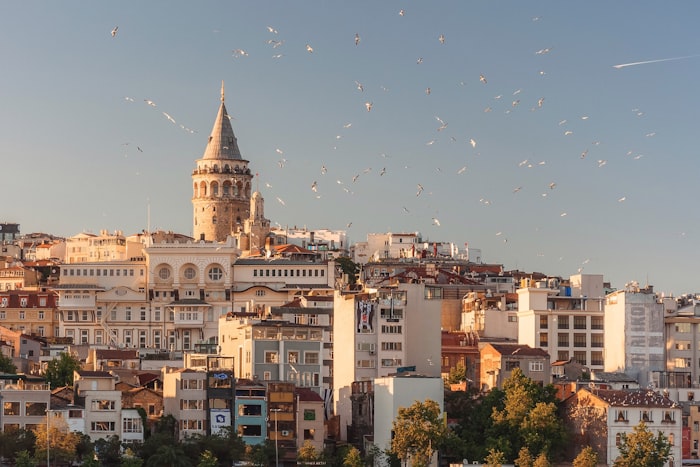
Istanbul is the obvious entry point — well-connected, English-speaking in tourist areas, and genuinely one of the great cities of the world. The standard first-day list:
Hagia Sophia — once the world's largest cathedral, then the world's largest mosque, then a museum, now a mosque again. The interior dome at 55 metres feels impossible for the 6th century. It is impossible for the 6th century. Book tickets online to avoid a two-hour queue
Blue Mosque (Sultan Ahmet Camii) — across the square, free to enter (not during prayer times), the interior tilework is what photography cannot capture
Grand Bazaar — 4,000 shops under one Ottoman roof. Overwhelming and wonderful. Do not buy the first price quoted for anything
Spice Bazaar (Mısır Çarşısı) — smaller, more navigable, better for actually buying things: spices, Turkish delight, dried fruit, tea
Bosphorus cruise — the strait that separates Europe from Asia. Take the public ferry (BUDO line) rather than a tourist boat; it is cheaper, more authentic, and the same view
Two days in Istanbul is sufficient for the highlights. Three days lets you add Topkapi Palace, Dolmabahçe, the contemporary art scene of Karaköy, and the Asian side (Kadıköy market).
Ephesus and the Aegean Coast
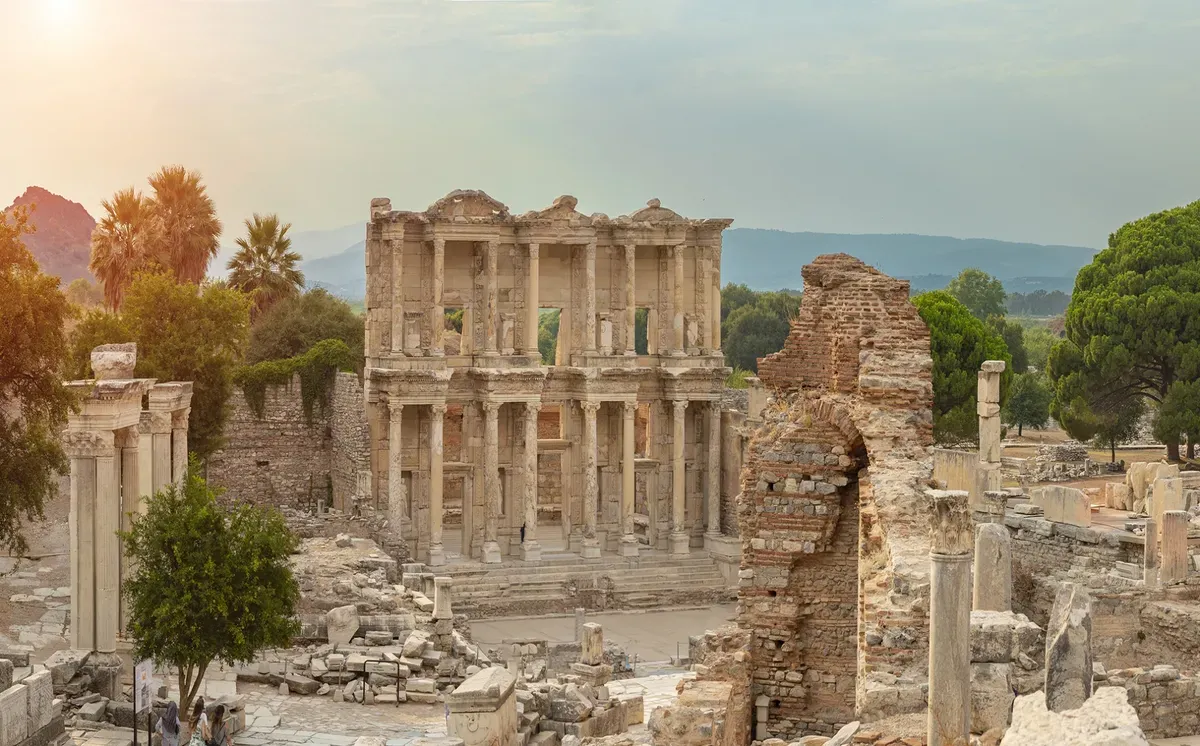
If ancient history is your primary interest, the Ephesus region is the correct choice over Athens for sheer scale and preservation. Ephesus was a city of 250,000 people at its Roman peak — larger than most European capitals today. The Library of Celsus facade, the 25,000-seat Great Theatre, and the Terrace Houses (preserved domestic interiors with intact mosaics and frescoes) constitute the most comprehensive ancient urban experience in the Mediterranean.
How to visit: Fly to İzmir (ADB) and either base yourself in Selçuk (the nearest town) or join a guided day tour from Kusadasi. Cruise passengers have the same option from the Kusadasi pier.
Supplement with: Pamukkale (3 hours inland) — white calcium carbonate terraces cascading down a hillside, with the ruins of Hierapolis at the top. Do both in one long day or make Pamukkale its own overnight stop.
Cappadocia: The Non-Negotiable
If you are visiting Turkey once, Cappadocia should be on the itinerary. No other statement about Turkish tourism is more widely agreed upon by travellers who have been. The landscape — volcanic tufa carved into pinnacles and valleys over millennia, inhabited by early Christian communities who cut churches and underground cities directly into the rock — is genuinely unlike anything else on the planet.
The hot air balloon flight at sunrise is the headline activity, but Cappadocia holds attention for two to three days without balloons: the Göreme Open Air Museum (Byzantine frescoed cave churches), Derinkuyu underground city (eight storeys below ground), and the red-to-amber light of Rose Valley at dusk.
Logistics: Fly from Istanbul to Nevsehir (NAV) or Kayseri (ASR) — 1h20m, frequent services on Pegasus and Turkish Airlines. Transfer to Göreme takes 45 minutes. Book balloon flights at least two weeks ahead in peak season (April–May, September–October).
The Turquoise Coast: For a Different Kind of Tour
Bodrum, Antalya, Fethiye, Ölüdeniz — the Aegean and Mediterranean coast offers a combination that most European beach destinations cannot match: warm water, reliable sun (300+ days per year along the southern coast), Lycian rock tombs carved directly into cliffs above the sea, and gulet boat trips through bays that have no road access at all.
This is not the Turkey of minarets and bazaars, though both exist here too. It is the Turkey of slow mornings on a wooden deck with swimming off the back at noon. It is best for visits of five days or longer.
The Practical Decisions
When to Go
April–May and September–October are the optimal windows: temperatures are comfortable everywhere (Istanbul 18–22°C, coast 22–26°C, Cappadocia 15–20°C), crowds are lighter than July–August, and balloon weather in Cappadocia is more stable.
July–August is hot. Istanbul at 35°C in August is manageable if you know to be inside or on the Bosphorus between 12:00 and 16:00. Cappadocia in August can exceed 38°C midday. The coast is at its most beautiful (and most crowded) in July.
November–March: Istanbul is moody and underrated, with almost no queues at any major site. Cappadocia occasionally gets snow — the fairy chimneys in white are worth planning a specific trip around. The coast is largely closed.
How Many Days
7 days: Istanbul (3) + Cappadocia (2) + Ephesus (2). This is the classic first-timer itinerary. Tight but complete
10 days: Add Pamukkale or two nights on the coast. Pace becomes comfortable
14 days: Add a gulet cruise (3–4 nights) or deeper exploration of the Aegean. Turkey starts to feel less like a checklist
Guided vs Independent
Turkey has excellent public transport infrastructure between major cities (domestic flights are cheap, intercity buses are comfortable and punctual). Independent travel between Istanbul, Cappadocia, and the coast is entirely feasible.
Where guides add genuine value: Ephesus (the site is enormous, context-free without interpretation), Cappadocia valleys (navigation is non-obvious, local knowledge on viewpoints matters), and shore excursions from cruise ports (the logistics of getting from pier to site and back within a window are genuinely complex).
A hybrid approach — independent city travel, guided for the ancient sites — is how most experienced Turkey travellers structure their trip.
One Last Thing
Turkey's food is not a sideshow. Meze culture, fresh fish on the Bosphorus, Adana kebab in Adana, Van breakfast in a tea garden, testi kebab broken open at a cave restaurant in Göreme, baklava from a pastry shop that has been making it since 1949 — the eating is as much the destination as any ruin or valley. Build time for it. Do not rush a lunch to catch a bus if you do not have to.
First-time visitors sometimes treat Turkey as an archaeology checklist. It is that, but it is also a living country of 85 million people with a culinary culture, a design tradition, and a coast that understood leisure long before the modern concept existed. Give yourself enough days to notice both.
Liman Günün İçin Doğru Turu Bul
İstanbul, Kuşadası ve Kapadokya'daki özenle seçilmiş liman turlarına göz at — kruvaziyer programlarına göre tasarlandı.